

News
News
Why Handmade Art and Craft Endure in a World of Fast Everything
Fast fashion. Fast feeds. Fast images. Fast trends that flare and vanish in weeks.
In the middle of all this acceleration, handmade art feels almost radical.
A potter spends days throwing, trimming, glazing, and firing a single bowl.
A jeweller hammers and wraps silver until it finds its final form.
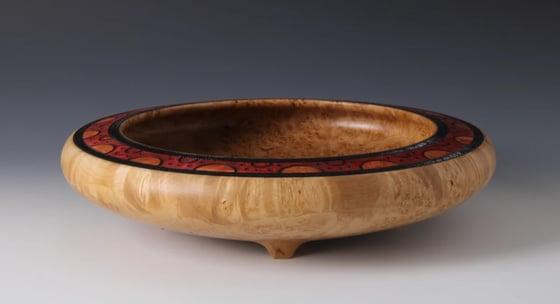
A woodturner coaxes shape from a burl that grew for decades.
A painter layers colour, gesture, and emotion until the canvas breathes.
These processes are slow on purpose. They’re imperfect on purpose.
And that’s exactly why they endure.
Handmade work carries something machines and algorithms can’t replicate: the trace of a maker’s time, decisions, and quiet focus. Every asymmetry in a ceramic form, every knot in forged metal, every grain line in wood, every brushstroke in a painting is evidence of a human being paying attention. These aren’t flaws. They’re signatures.
1. Handmade Pieces Resist Obsolescence
Trends expire. Craft doesn’t.
A hand-thrown bowl doesn’t go “out of style.”
A turned wooden vessel doesn’t age out of relevance.
A painting with expressive brushwork doesn’t lose meaning because a new palette becomes fashionable.
These pieces are built to last decades, not months, and they gain character through use, patina, and memory.
2. They Carry Emotional Resonance
Owning something handmade is a relationship, not a transaction.
People often describe handmade pieces as warm, alive, grounding. A ceramic vessel that fits the hand just right. A ring that feels like a talisman. A painting whose colours shift with the light and with your mood. These works hold the maker’s intention and the viewer’s response at the same time.
In a digital world full of frictionless consumption, that emotional weight matters.
3. They Honour Sustainability and Provenance
Handmade work often begins with natural, local, or reclaimed materials.
A woodturner highlights the grain of a fallen tree.
A ceramicist layers earth-derived glazes.
A painter mixes pigments and mediums with intention rather than industrial scale.
Waste is minimal, origin is transparent, and the story of the piece is part of its value.
As conversations about sustainability deepen in 2026, handmade pieces stand out as thoughtful, ethical alternatives to disposable goods.
4. They Build Personal Legacy
Handmade art becomes part of your story.
A bowl used daily.
A ring worn for years.
A wooden vessel that anchors a room.
A painting that becomes the emotional centre of a home.
These objects accumulate meaning through use, gifting, and memory. They become heirlooms not because of monetary value, but because they hold pieces of your life.
Looking Ahead
As fast culture accelerates burnout and superficiality, handmade art offers an antidote: slowness, authenticity, and connection. Galleries like ours exist to bridge makers and collectors, helping people find pieces that feel right—not because they’re trending, but because they endure.
What’s one handmade item in your life that feels truly irreplaceable?
Jewellery, ceramics, woodwork, painting—whatever it is, we’d love to hear its story.
Explore more handmade work at The Gallery at Mattick’s Farm:
https://www.thegalleryatmatticksfarm.com/shop/